 The Arc de Triomphe Paris, the most monumental of all triumphal arches, was built between 1806 and 1836. Even though there were many modifications from the original plans, reflecting political changes and power struggles, the Arch still retains the essence of the original concept which was a powerful, unified ensemble.
Things you can see:
- un drapeau français - a French flag
- carrefour - a roundabout
- un grand arc de pierre -a large stone arc
- touristes - tourists
- statues -statues
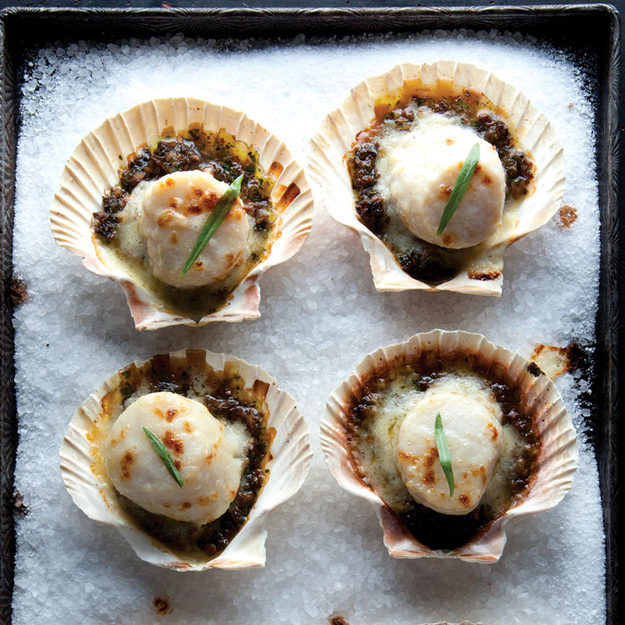 Coquilles Saint-Jacques
Sainte Chapelle
The Sainte-Chapelle (Holy Chapel) is a royal chapel in the Gothic style, within the medieval Palais de la Cité, the residence of the Kings of France until the 14th century, on the Île de la Cité in the heart of Paris, France.
 Begun some time after 1238 and consecrated on 26 April 1248, the Sainte-Chapelle is considered among the highest achievements of the Rayonnant period of Gothic architecture. It was commissioned by King Louis IX of France to house his collection of Passion relics, including Christ's Crown of Thorns—one of the most important relics in medieval Christendom.
Things you can see:
- vitrail - stained glass
- Bible - bibles
- prier bancs - pray benches
- verdure - greenery
- organes -organs
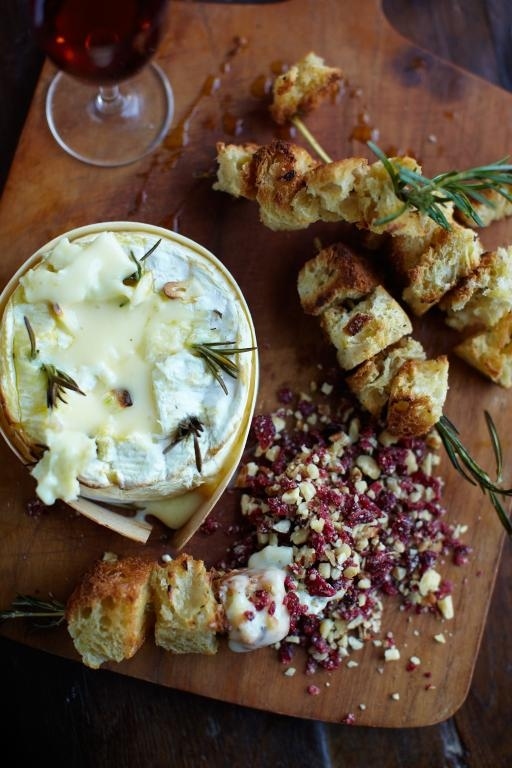 Baked Camembert
Clafoutis
Le Sacre Coeur
 The Basilica of the Sacred Heart of Paris, commonly known as Sacré-Cœur Basilica and often simply Sacré-Cœur is a Roman Catholic church and minor basilica, dedicated to the Sacred Heart of Jesus, in Paris, France. A popular landmark, the basilica is located at the summit of the butteMontmartre, the highest point in the city. Sacré-Cœur is a double monument, political and cultural, both a national penance for the defeat of France in the 1871 Franco-Prussian War and the socialist Paris Commune of 1871[1] crowning its most rebellious neighborhood, and an embodiment of conservative moral order, publicly dedicated to the Sacred Heart of Jesus, which was an increasingly popular vision of a loving and sympathetic Christ.
Things you can see:
art de la renaissance - renaissance art
plafonds dôme - dome ceilings
bougies - candles
religieuses -nun
bancs de proies - prey benches
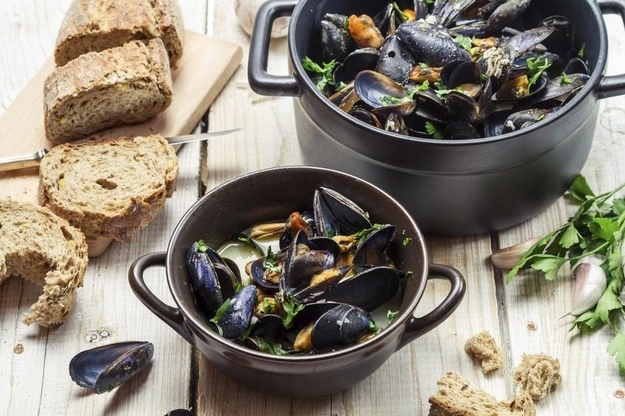
Moules Marinières

Crêpes
Notre Dame
 Notre-Dame de Paris French for "Our Lady of Paris"), also known asNotre-Dame Cathedral or simply Notre-Dame, is a medieval Catholic cathedral on the eastern half of the Île de la Citéin the fourth arrondissement of Paris, France. The cathedral is widely considered to be one of the finest examples ofFrench Gothic architecture, and it is among the largest and most well-known church buildings in the world. Thenaturalism of its sculptures and stained glass are in contrast with earlier Romanesque architecture.
As the cathedral of the Archdiocese of Paris, Notre-Dame is the parish that contains the cathedra, or official chair, of the Archbishop of Paris, currently Cardinal André Vingt-Trois. The cathedral treasury is notable for its reliquary which houses some of Catholicism's most important first-class relics including the purported Crown of Thorns, a fragment of the True Cross, and one of the Holy Nails.
Things you can see:
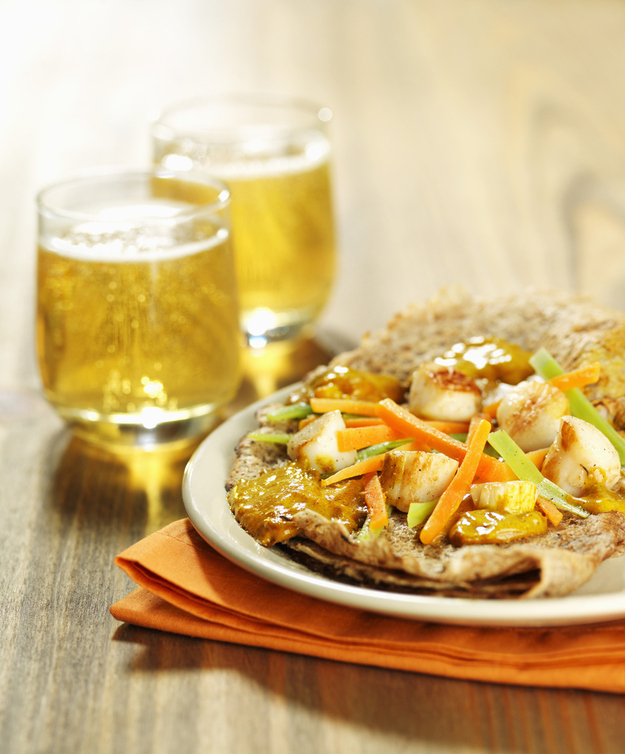 Buckwheat Crêpes
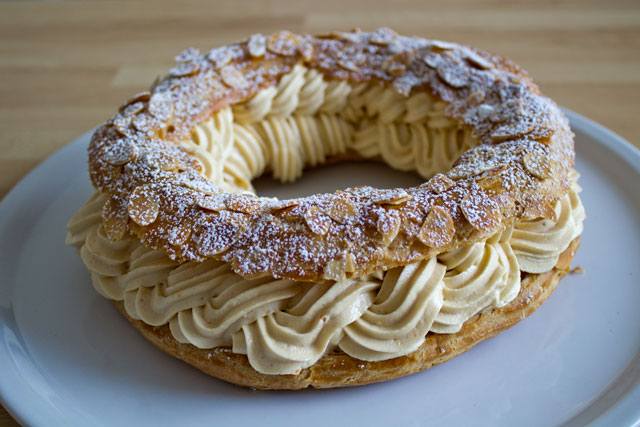
Paris Brest
Le Louvre
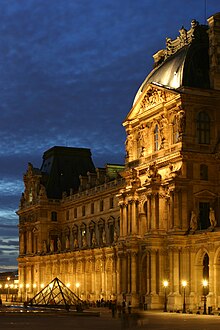 The Louvre or the Louvre Museum is one of the world's largest museums and a historic monument in Paris, France. A central landmark of the city, it is located on the Right Bank of the Seine in the 1st arrondissement (ward). Nearly 35,000 objects from prehistory to the 21st century are exhibited over an area of 60,600 square metres (652,300 square feet). The Louvre is the world's most visited museum, receiving more than 9.26 million visitors in 2014.[1] It is also one of the largest.The museum is housed in the Louvre Palace, originally built as a fortress in the late 12th century under Philip II. Remnants of the fortress are visible in the basement of the museum. The building was extended many times to form the present Louvre Palace. In 1682, Louis XIV chose the Palace of Versailles for his household, leaving the Louvre primarily as a place to display the royal collection, including, from 1692, a collection of ancient Greek and Roman sculpture.[2] In 1692, the building was occupied by the Académie des Inscriptions et Belles Lettres and the Académie Royale de Peinture et de Sculpture, which in 1699 held the first of a series of salons.
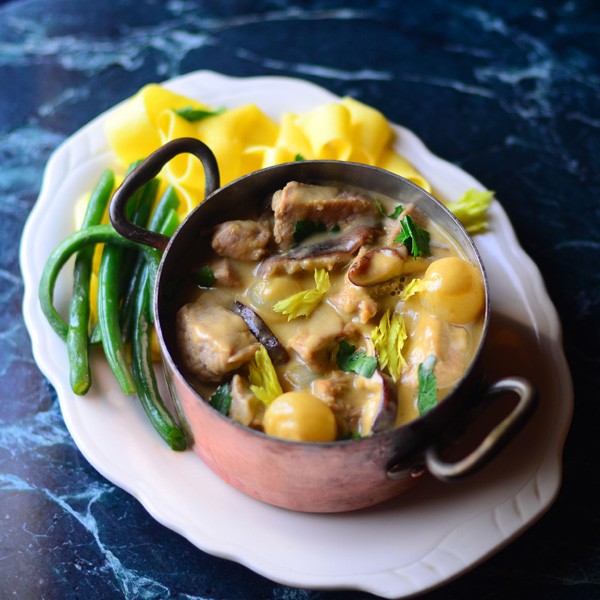 Blanquette de Veau
 Eclair au chocolat
Le Tour Eiffel
 The Eiffel Tower is a wrought ironlattice tower on the Champ de Mars in Paris, France. It is named after the engineer Gustave Eiffel, whose company designed and built the tower.
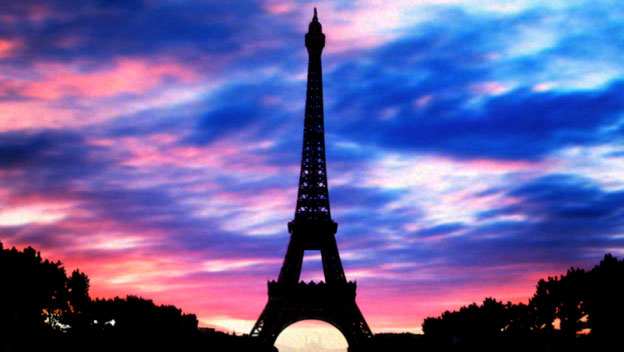 Constructed in 1889 as the entrance to the 1889 World's Fair, it was initially criticized by some of France's leading artists and intellectuals for its design, but it has become a global cultural icon of France and one of the most recognisable structures in the world.[3] The Eiffel Tower is the most-visited paid monument in the world; 6.91 million people ascended it in 2015.
The tower is 324 metres (1,063 ft) tall, about the same height as an 81-storey building, and the tallest structure in Paris. Its base is square, measuring 125 metres (410 ft) on each side. During its construction, the Eiffel Tower surpassed the Washington Monument to become the tallest man-made structure in the world, a title it held for 41 years until the Chrysler Building in New York City was finished in 1930.
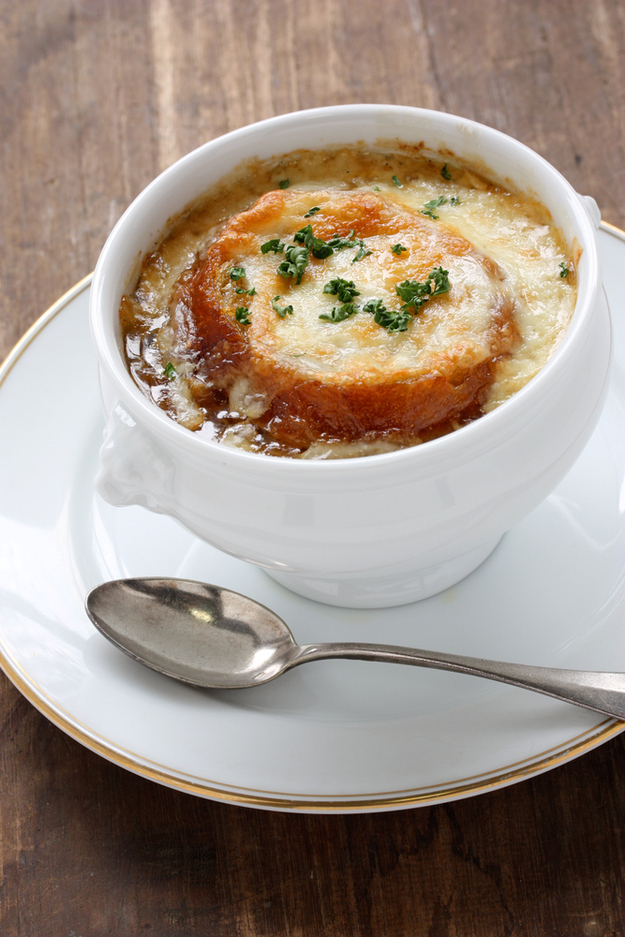 Soupe à L’oignon
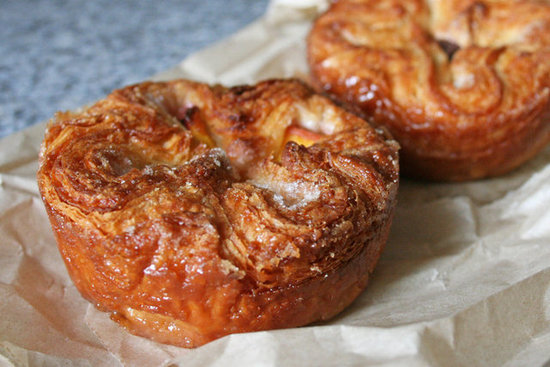 Kouign Amann
Versailles
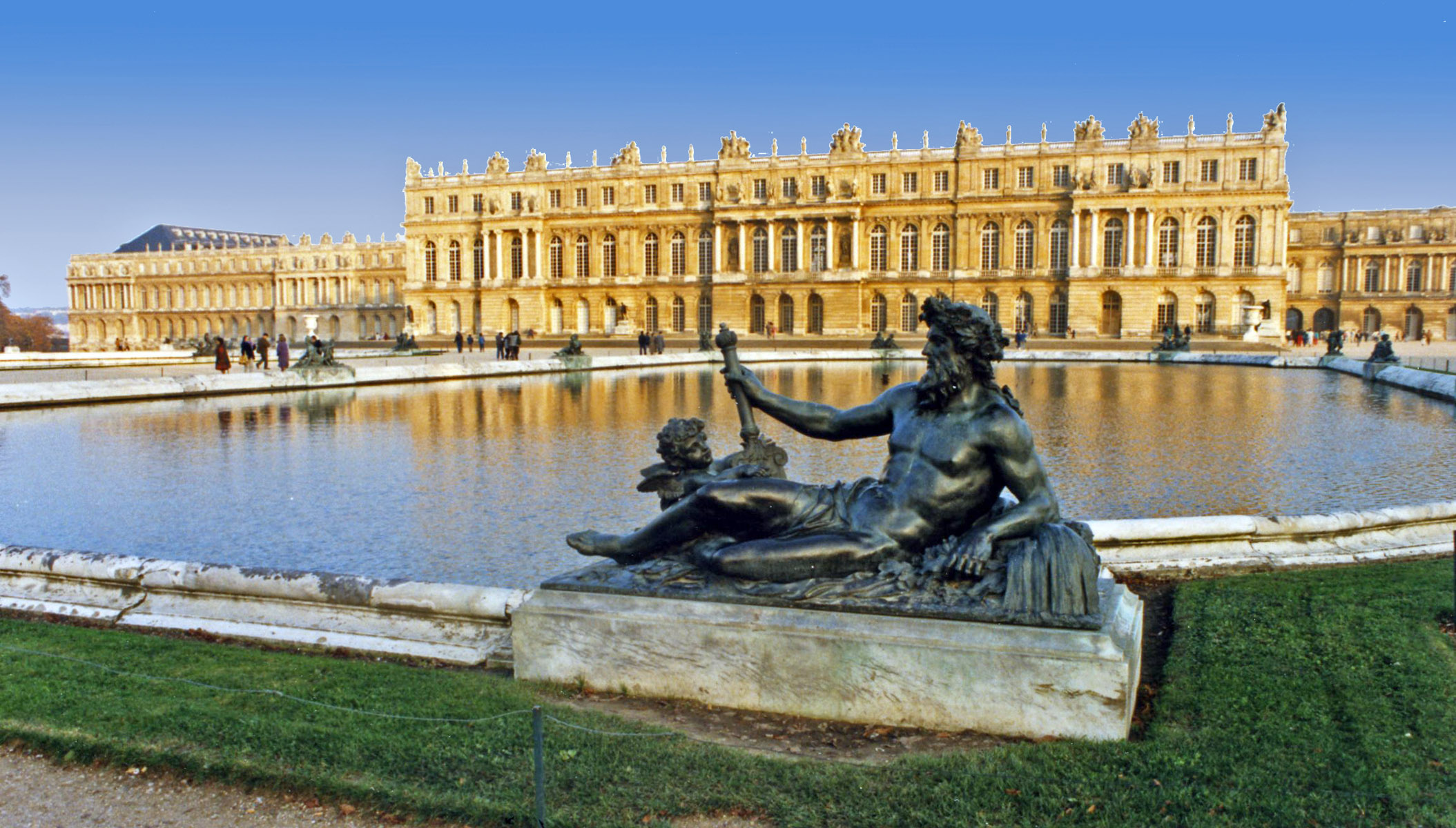 The Palace of Versailles, or simply Versailles is a royalchâteau in Versailles in the Île-de-France region of France. It is also known as the Château de Versailles.
When the château was built, Versailles was a country village; today, however, it is a wealthy suburb of Paris, some 20 kilometres (12 miles) southwest of the French capital. The court of Versailles was the centre of political power in France from 1682, when Louis XIV moved from Paris, until the royal family was forced to return to the capital in October 1789 after the beginning of the French Revolution. Versailles is therefore famous not only as a building, but as a symbol of the system of absolute monarchy of the Ancien Régime.
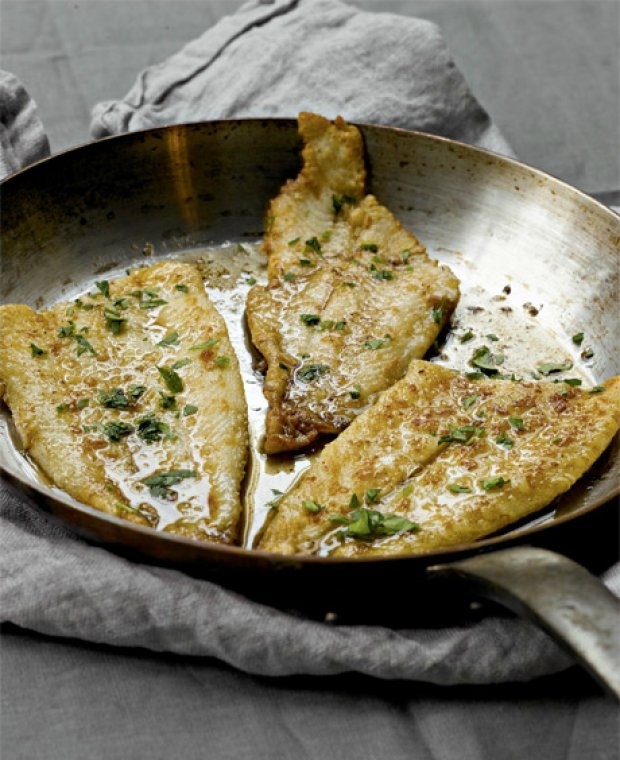
Sole Meunière
 Crème brûlée
Le Jardin du Luxembourg
 The Jardin du Luxembourg, or the Luxembourg Garden, located in the 6th arrondissement of Paris, was created beginning in 1612 by Marie de' Medici, the widow of King Henry IV of France, for a new residence she constructed, the Luxembourg Palace. The garden today is owned by the French Senate, which meets in the Palace. It covers 23 hectares and is known for its lawns, tree-lined promenades, flowerbeds, the model sailboats on its circular basin, and for the picturesque Medici Fountain, built in 1620.[1]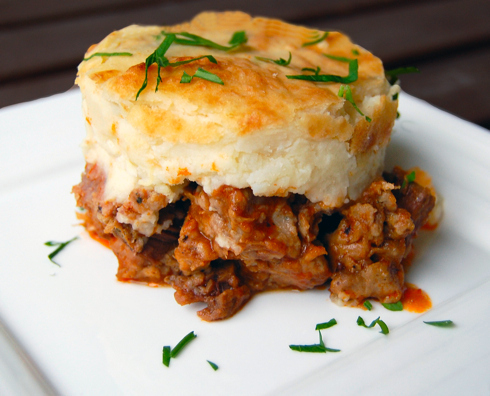
Hachis Parmentier

Palais Garnier
 The Palais Garnier is a 1,979-seat opera house, which was built from 1861 to 1875 for the Paris Opera. It was originally called the Salle des Capucines, because of its location on the Boulevard des Capucines in the 9th arrondissement of Paris, but soon became known as the Palais Garnier, in recognition of its opulence and its architect, Charles Garnier. The theatre is also often referred to as the Opéra Garnier and historically was known as the Opéra de Paris or simply the Opéra,[7]as it was the primary home of the Paris Opera and its associated Paris Opera Ballet until 1989, when the Opéra Bastille opened at the Place de la Bastille.[8] The Paris Opera now mainly uses the Palais Garnier for ballet.The Palais Garnier is "probably the most famous opera house in the world, a symbol of Paris like Notre Dame Cathedral, the Louvre, or the Sacré Coeur Basilica."[9] This is at least partly due to its use as the setting forGaston Leroux's 1910 novel The Phantom of the Opera and, especially, the novel's subsequent adaptations in films and Andrew Lloyd Webber's popular 1986 musical.[9]


No comments:
Post a Comment