The Musée d'Orsay is a museum in Paris, France, on the left bank of the Seine. It is housed in the former Gare d'Orsay, a Beaux-Arts railway station built between 1898 and 1900. The museum holds mainly French art dating from 1848 to 1914, including paintings, sculptures, furniture, and photography. It houses the largest collection of impressionist and post-Impressionist masterpieces in the world, by painters including Monet,Manet, Degas, Renoir, Cézanne, Seurat, Sisley, Gauguin and Van Gogh. Many of these works were held at the Galerie nationale du Jeu de Paume prior to the museum's opening in 1986. It is one of the largest art museums in Europe.
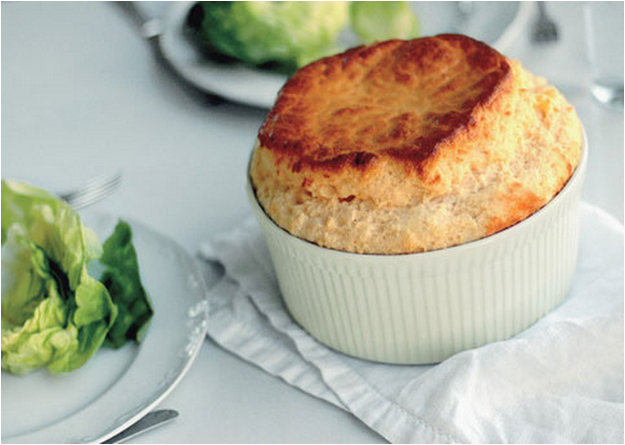
 Cheese Soufflé
Gâteau au yaourt
Les Invalides

 Les Invalides commonly known as Hôtel national des Invalides (The National Residence of the Invalids), or also as Hôtel des Invalides, is a complex of buildings in the 7th arrondissement of Paris,France, containing museums and monuments, all relating to the military history of France, as well as a hospital and a retirement home for war veterans, the building's original purpose. The buildings house the Musée de l'Armée, the military museum of the Army of France, the Musée des Plans-Reliefs, and the Musée d'Histoire Contemporaine, as well as the Dôme des Invalides, a large church with the burial site for some of France's war heroes, most notably Napoleon Bonaparte.
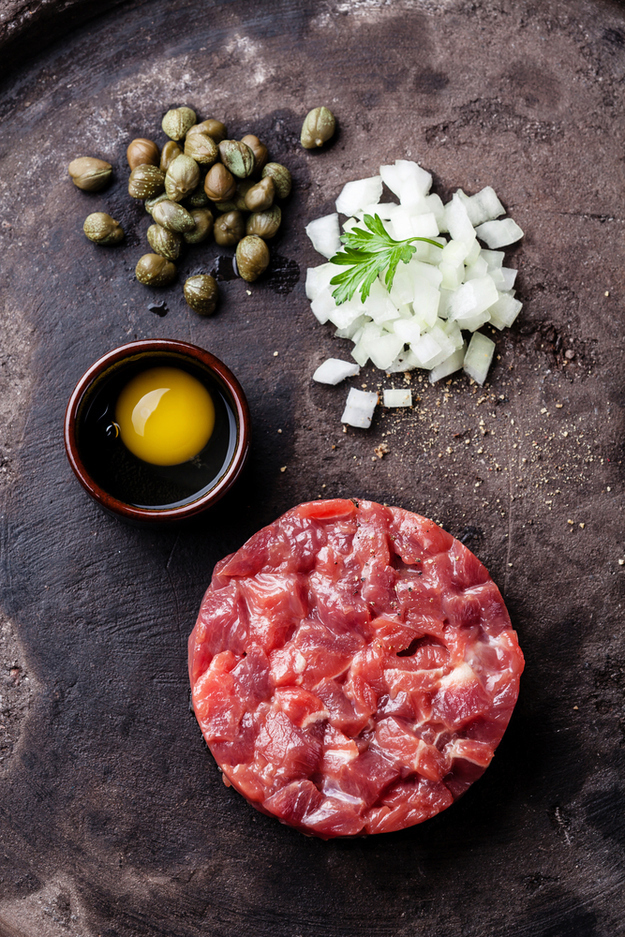 Steak Tartare
 French Apple Pie
Tuileries Garden
 The Tuileries Garden is a public garden located between the LouvreMuseum and the Place de la Concorde in the 1st arrondissement of Paris. Created by Catherine de Medici as the garden of the Tuileries Palace in 1564, it was eventually opened to the public in 1667, and became a public park after the French Revolution. In the 19th and 20th century, it was the place where Parisians celebrated, met, promenaded, and relaxed.[1]
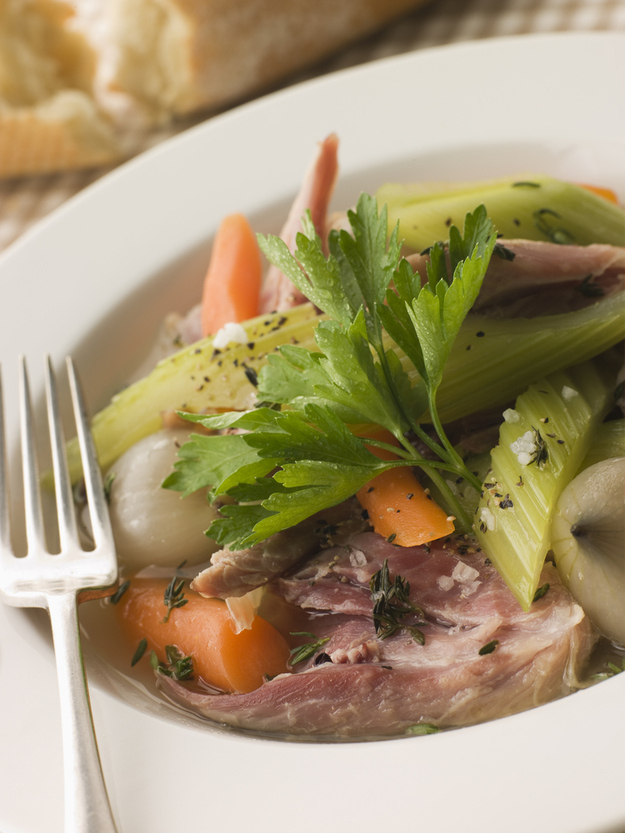 Pot-au-feu
 French lemon tart
Pont Alexandre III
 The Pont Alexandre III is a deck arch bridge that spans the Seine in Paris. It connects the Champs-Élysées quarter with those of the Invalides and Eiffel Tower. The bridge is widely regarded as the most ornate, extravagant bridge in the city.[2][3] It is classified as a French Monument historique.
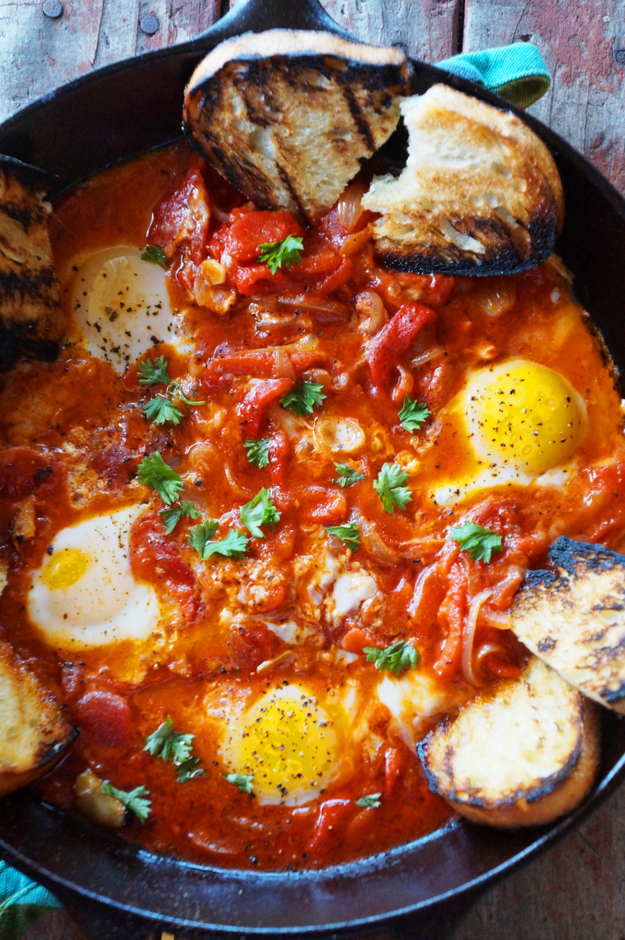 Piperade
 Canelés
\
Hotel De Ville
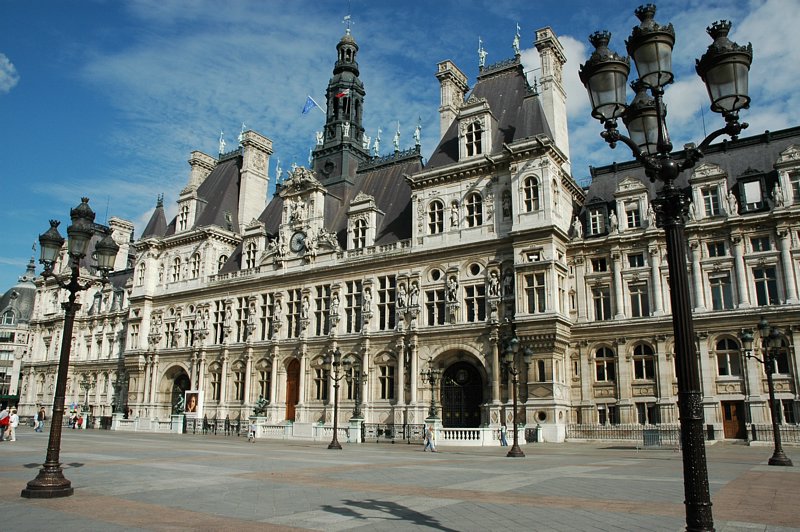 The Hôtel de Ville in Paris, France, is the building housing the city's local administration. Standing on the place de l'Hôtel-de-Ville in the 4th arrondissement, it has been the headquarters of the municipality of Paris since 1357. It serves multiple functions, housing the local administration, the Mayor of Paris (since 1977), and also serves as a venue for large receptions.
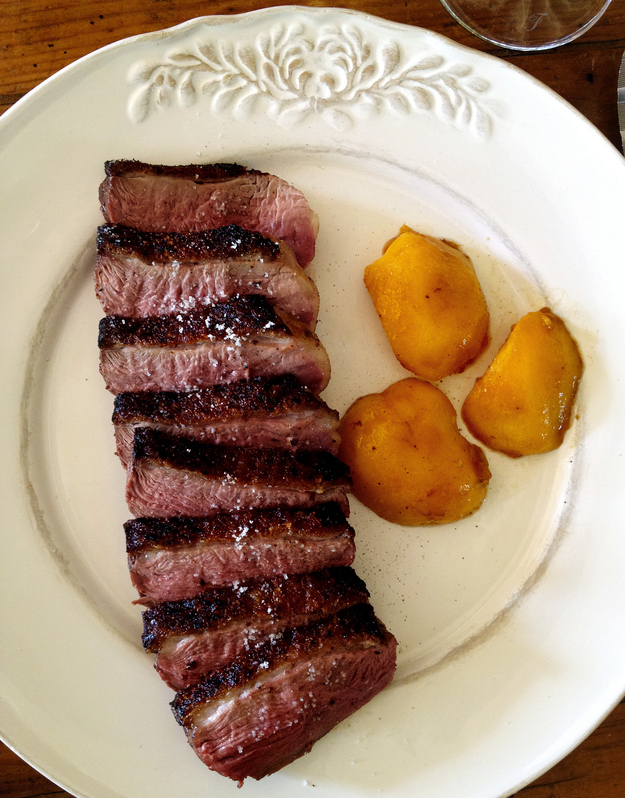 Magret de Canard
 Bugnes Lyonnaises
Disneyland Paris

Disneyland Paris, originally Euro Disney Resort, is an entertainment resort in Marne-la-Vallée, a new town located 32 km (20 mi) east of the centre of Paris, and is the most visited theme park in all of France and Europe.[1] It is owned and operated by Euro Disney S.C.A., a publicly traded company in which The Walt Disney Company owns a majority stake.[2] The resort covers 4,800 acres (19 km2)[3] and encompasses two theme parks, several resort hotels, a shopping, dining, and entertainment complex, and a golf course, in addition to several additional recreational and entertainment venues. Disneyland Park is the original theme park of the complex, opening with the resort on 12 April 1992. A second theme park, Walt Disney Studios Park, opened in 2002. The resort is the second Disney park to open outside the United States, following the opening of the Tokyo Disney Resort in 1983.
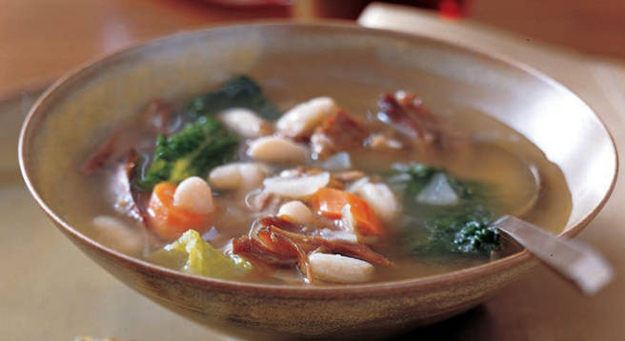 Garbure
 Chocolate Profiteroles
Latin Quarter
 The Latin Quarter of Paris is an area in the 5th and the 6th arrondissements ofParis. It is situated on the left bank of the Seine, around the Sorbonne.Known for its student life, lively atmosphere and bistros, the Latin Quarter is the home to a number of higher education establishments besides the university itself, such as the Lang–Martinez Psychiatric Hospital, the École des Mines de Paris,Panthéon-Assas University, the Schola Cantorum, and the Jussieu university campus. Other establishments such as theÉcole Polytechnique have relocated in recent times to more spacious settings.The area gets its name from the Latin language, which was once widely spoken in and around the University since Latin was the language of learning in the Middle Ages in Europe.
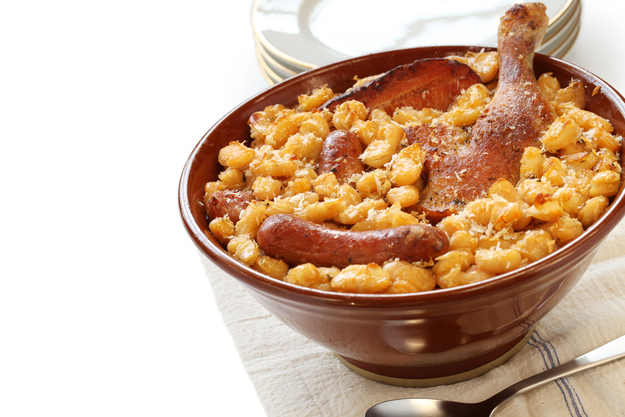 Cassoulet
 Tarte tropézienne
Place de la Concorde
 The Place de la Concorde is one of the major public squares in Paris, France. Measuring 8.64 hectares (21.3 acres) in area, it is the largest square in the French capital. It is located in the city'seighth arrondissement, at the eastern end of the Champs-Élysées.The place was designed by Ange-Jacques Gabriel in 1755 as a moat-skirted octagon between the Champs-Élysées to the west and the Tuileries Garden to the east. Decorated with statues and fountains, the area was named Place Louis XV to honor the king at that time. The square showcased an equestrian statue of the king, which had been commissioned in 1748 by the city of Paris, sculpted mostly by Edmé Bouchardon, and completed by Jean-Baptiste Pigalle after the death of Bouchardon.
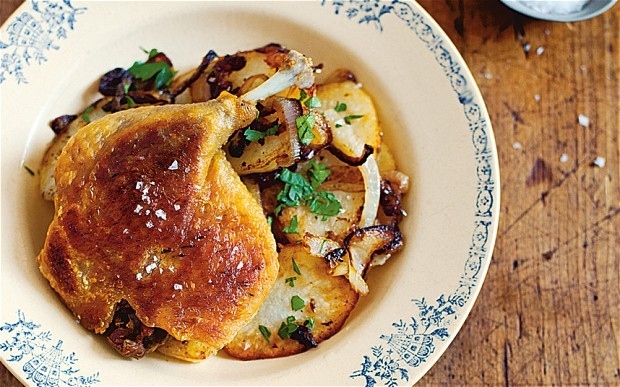 Confit de Canard
 Macarons
Catacombs of Paris
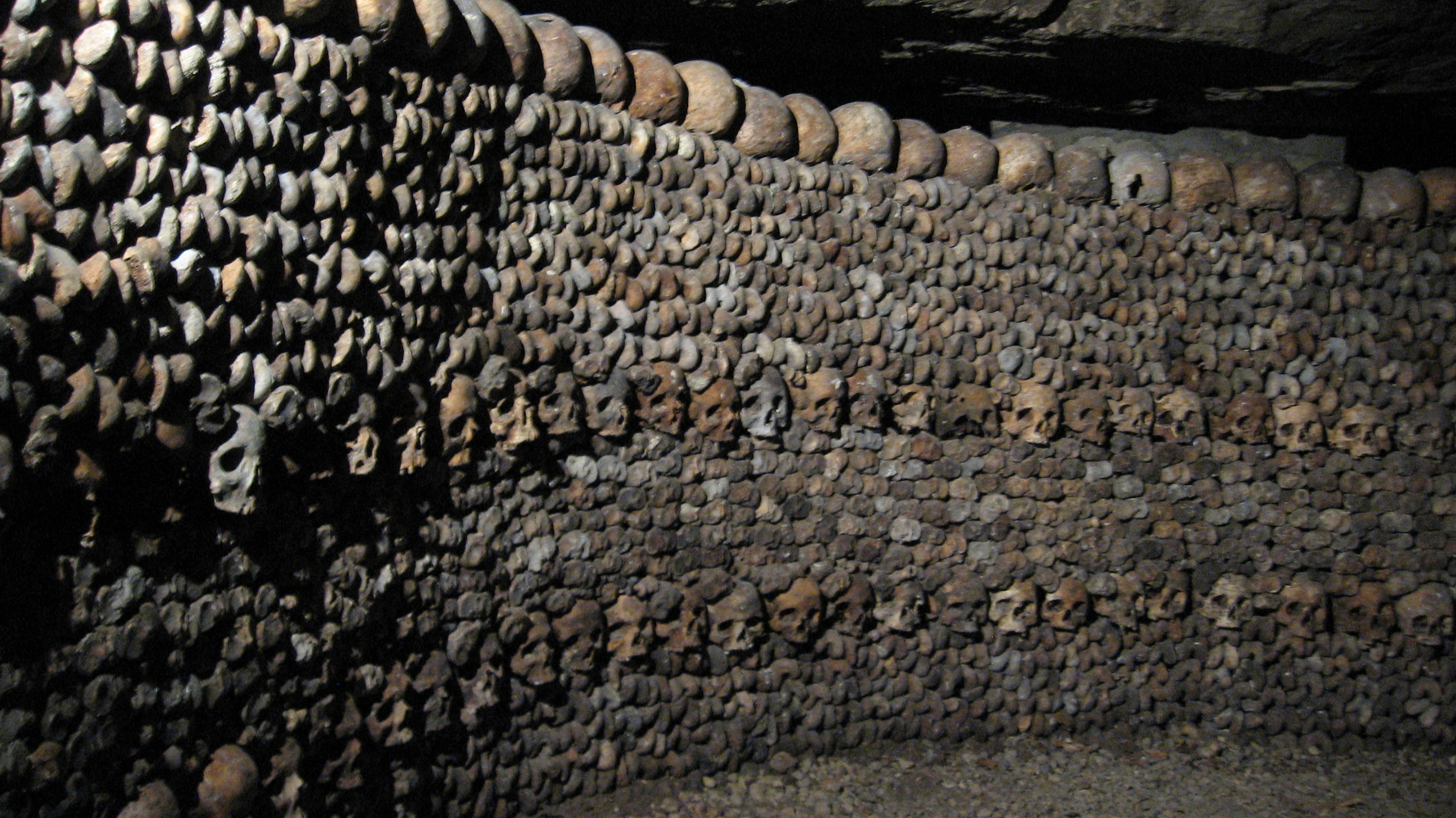 The Catacombs of Paris are underground ossuaries in Paris, France which hold the remains of about six million people[1] in a small part of the ancient Mines of Paris tunnel network. Located south of the former city gate "Barrière d’Enfer" beneath Rue de la Tombe-Issoire, the ossuary was founded when city officials were faced with two simultaneous problems: a series of cave-ins starting in 1774 and overflowing cemeteries, particularly Saint Innocents. Nightly processions of bones from 1786 to 1788 transferred remains from cemeteries to the reinforced tunnels, and more remains were added in later years. The underground cemetery became a tourist attraction on a small scale from the early 19th century, and has been open to the public on a regular basis since 1874 with surface access from a building at Place Denfert-Rochereau.The Catacombs are among the 14 City of Paris Museums managed by Paris Musées since January 1, 2013. The catacombs are formally known as l'Ossuaire Municipal or Catacombes officiels and have been called "The World's Largest Grave" due the number of individuals buried.[2] Although the ossuary covers only a small section of the underground "les carrières de Paris" ("the quarries of Paris"), Parisians today often refer to the entire tunnel network as "the catacombs".
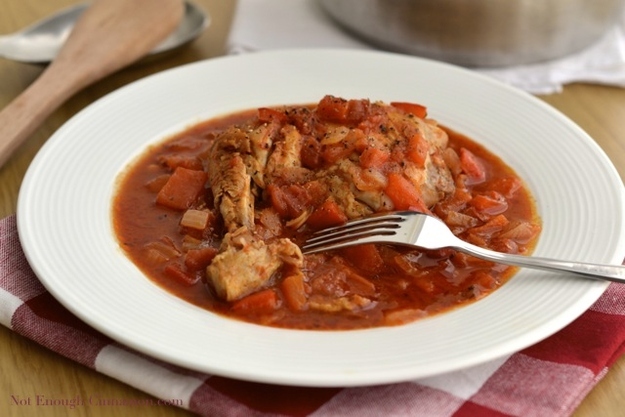 Poulet Basquaise
 Chocolate Religieuse
Saint- German Des Pres
 Saint-Germain-des-Prés is one of the four administrative quarters of the 6th arrondissement of Paris, France, located around the church of the former Abbey of Saint-Germain-des-Prés. Its official borders are the River Seine on the north, the rue des Saints-Pères on the west, between the rue de Seineand rue Mazarine on the east, and the rue du Four on the south. Residents of the quarter are known asGermanopratins.[1]The quarter has several famous cafés, including Les Deux Magots, Café de Flore, le Procope, and the Brasserie Lipp, and a large number of bookstores and publishing houses. In the 1940s and 1950s, it was the centre of theexistentialist movement (associated with Jean-Paul Sartre and Simone de Beauvoir. It is also home to the École des Beaux-Arts, the famed school of fine arts, and the Musée national Eugène Delacroix, in the former apartment and studio of painter Eugène Delacroix.
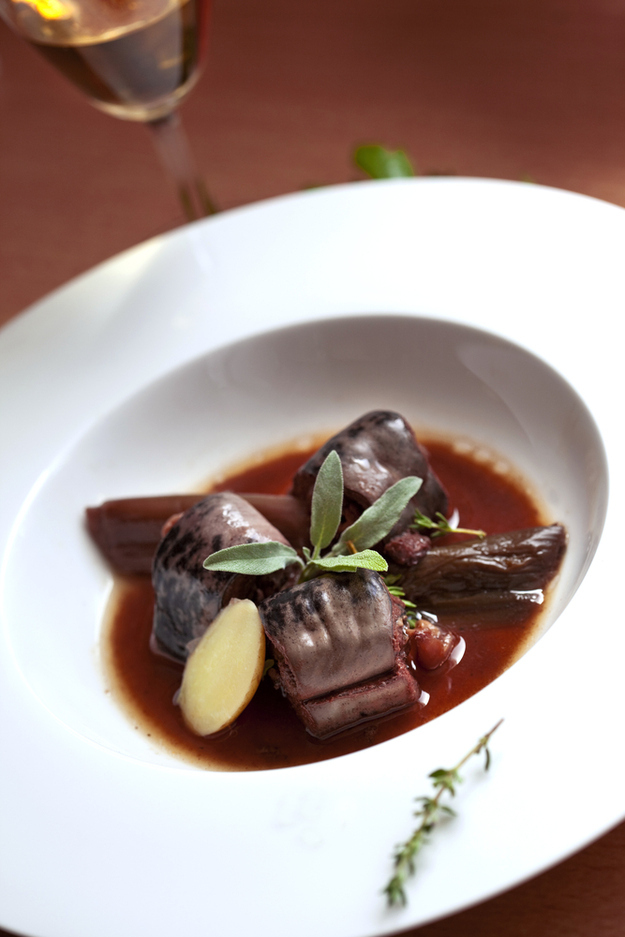
Lamprey à la Bordelaise